Peer-Led Emotional Regulation, Coping, and Resilience Skills
Evidence-based coping strategies and skills designed for peer mentors, counselors, and teachers — freely available for every classroom.
How It Works
From Classroom to Campus-Wide Change
Our peer education model creates a ripple effect — training a few empowers many.
1
School Counselors Identify Peer Mentors
Counselors select students based on their demonstrated peer mentoring abilities, leadership skills, and commitment to their school community.
2
Adults Train the Student Leaders
School counselors, nurses, teachers, and other staff teach the selected peer mentors the coping strategies — then the students take it from there.
3
Peers Teach Their Classmates
Trained mentors lead their classrooms, normalizing emotional regulation among their own peers.
4
Skills Reach Every Room
Resources are freely downloadable so teachers and staff can reinforce these strategies every day.
Who This Is For
Built for Every Person in a Student's Life
All materials are free to download, adapt, and share. No login required.
🧑🏫
Teachers
Classroom Use
Integrate coping strategies into your daily routine. Use lesson plans as warm-ups, transitions, or during high-stress periods like testing season.
🤝
Counselors
School-Wide Programs
Identify and train peer mentor groups using our structured lesson plans. Materials are ready to use out of the box or customize for your school.
🌟
Peer Mentors & Students
Peer Education
Learn these strategies yourself, then teach them. You don't need to be an expert — you just need to care about your community.
🌟 For Peer Mentors & Students
Skills You Can Learn Right Now
Watch these short videos to learn easy ways to feel calm when you're stressed, worried, or upset. You can do these by yourself or teach them to your friends.
Pick one skill and try it tonight before bed or in the morning before school. The more you practice, the easier it gets — just like learning to ride a bike. Soon, it can become something you do without even thinking about it.
📥 Free to Download & Share
Coping Strategy Resources
Each lesson plan is designed to be taught by peer mentors with no professional training required. Download, share, and use freely in any educational setting.
Lesson Plans & Videos
Three Evidence-Based Strategies
Each strategy includes a downloadable lesson plan and a curated YouTube video you can play directly for students. Lesson plans published April 2026.
🫁
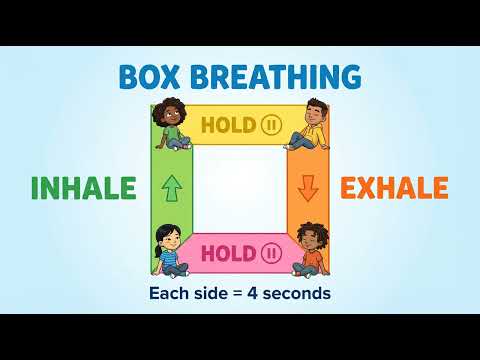
Box Breathing
Breathwork · Anxiety Reduction
A structured breathing technique that uses a 4-count inhale, hold, exhale, and hold pattern. Activates the parasympathetic nervous system to reduce acute stress and anxiety in minutes.
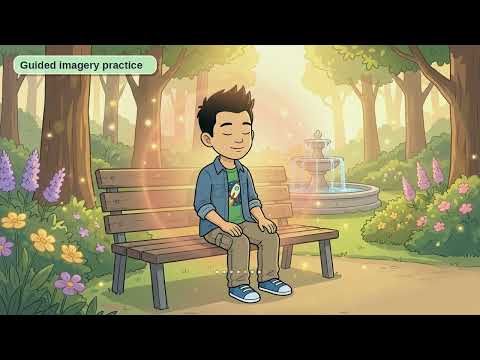
A mindfulness-based visualization exercise that guides students to a calm mental space. Research supports its effectiveness in lowering anxiety, improving focus, and building emotional resilience.
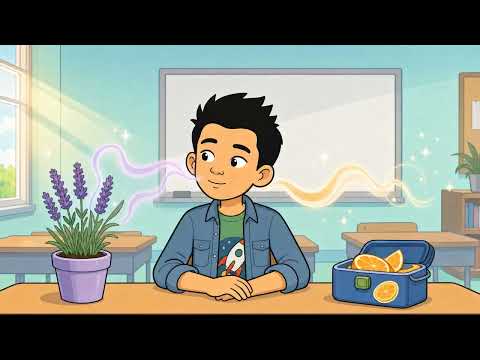
A sensory-based technique that uses sight, sound, touch, smell, and taste to anchor students in the present moment. Effective for managing panic, intrusive thoughts, and overwhelming emotions by gently shifting attention away from distress.
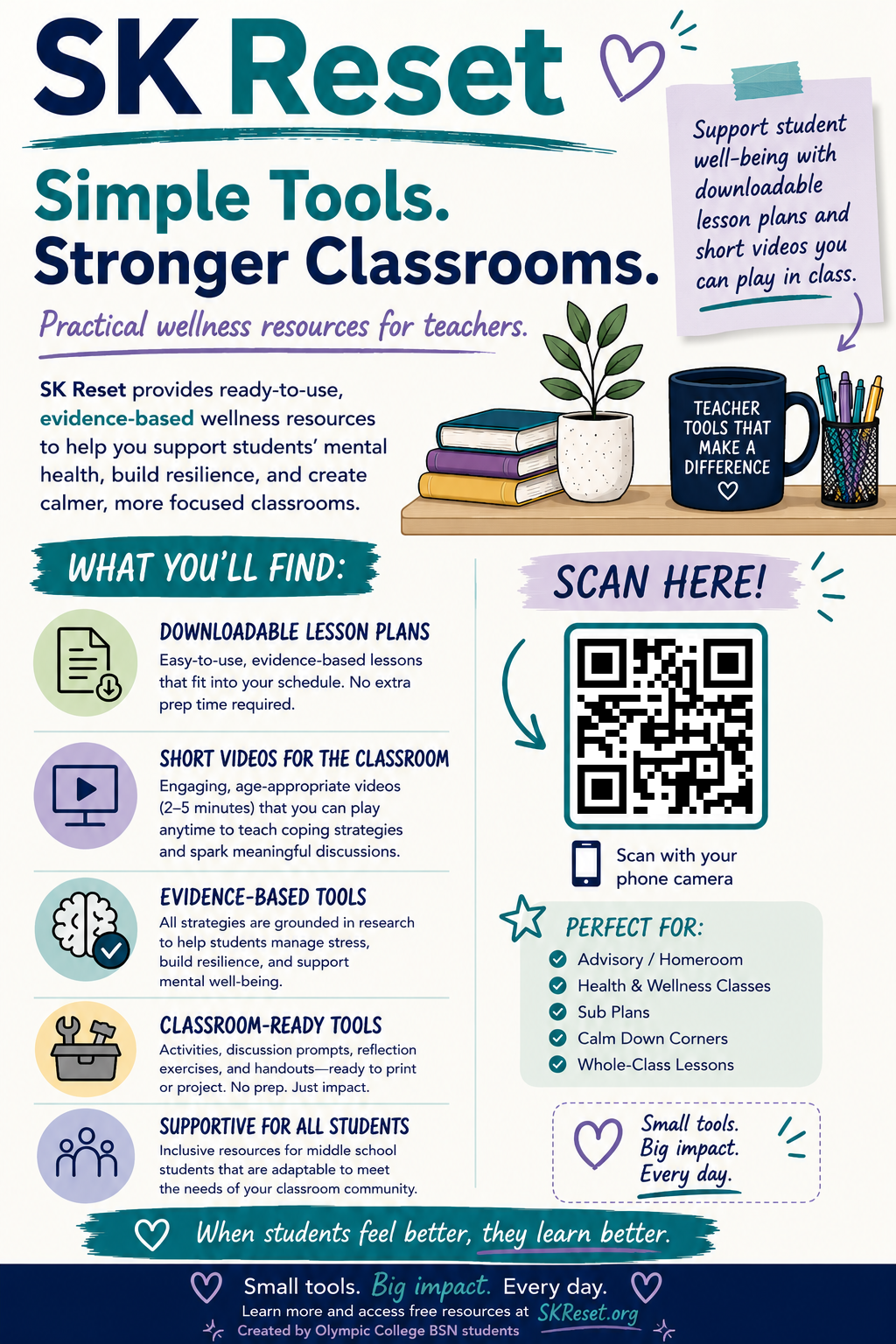
Download and print these flyers to share the website with students and staff. Each flyer includes a scannable QR code that takes them straight to the right page.
🧑🎓
Student Flyer
For Hallways & Classrooms
A student-friendly flyer with a QR code that takes them directly to the videos page. Hang it anywhere students might need a quick reset — hallways, classrooms, the counselor's office, or the nurse's room.
A printable flyer for teachers and staff with a QR code linking to the printable lessons and short videos on this site. Hang in staff rooms, faculty mailboxes, or share at team meetings.
All materials on this site are freely available with no login, no paywall, and no restrictions. Download, print, adapt, and share in any educational or community setting. We only ask that you credit the authors when sharing.
🎯 Our Mission
Project Goals
Every student carries the capacity to manage stress, build resilience, and support the people around them — and our goal is to make sure the tools to grow those strengths are easy to find, easy to use, and available to everyone. By offering free, evidence-based coping skills openly online, we hope to put these resources within reach of any student, school, or community that wants them. We believe the most powerful way to share these tools isn't top-down. It's peer-to-peer. When students learn these skills from someone who sits next to them in class, shares their lunch period, and understands their world firsthand, it changes everything. This project exists to put evidence-based coping skills in as many hands as possible — freely, openly, and without barriers.
What We're Working Toward
Decreasing Student Anxiety Through Peer Education
Our fieldwork project is built on a simple but powerful idea: when students teach students, the message lands differently. Our goals reflect this at every level.
🧑🤝🧑
Train the First Cohort of Peer Mentors
Our project team is working directly with school-selected peer mentor/mediator students this quarter. After we leave, school counselors will continue this training using these freely available resources.
📚
Reach Full Classrooms
Empower trained peer mentors to lead coping strategy sessions with their own classmates, making these tools feel accessible and normal.
🏫
Engage School Staff
Present coping strategies at staff meetings so teachers can reinforce and model emotional regulation in every classroom throughout the school day.
📉
Reduce Student Anxiety
Use evidence-based interventions to measurably reduce anxiety among students by equipping them with tools they can use independently and support each other with.
🌐
Disseminate Resources Freely
Make all lesson plans, videos, and guides freely available online so any school, counselor, or teacher anywhere can benefit from our work.
🔁
Create Sustainable Change
Build a peer education culture that outlasts our project — one where students continue teaching and supporting each other long after we leave.
🏙️
Implementation Across School Districts
Our ultimate vision is for these coping strategies to reach every school in every district — embedding emotional regulation tools into the culture of school districts everywhere, not just one school or one classroom.
Our Model
The Peer Education Ripple Effect
Training a small group of peer mentors creates an expanding wave of impact across the entire school community.
Our Project Team this quarter
→
School Counselors ongoing trainers
→
Peer Mentors / Mediators / Student Leaders
→
Full Classroom Sessions
→
All School Staff
→
Campus-Wide Wellness
→
School Districts Everywhere
👥 The People Behind This Work
About the Authors & Stakeholders
This project was created as part of a Population Health Fieldwork course by a dedicated team of BSN students, supported by school partners who share our commitment to student wellness.
Project Authors
Our Team
This project was created equally by four nursing students at Olympic College as part of the Population Health Fieldwork BSN Course, 2026.
LPN · VLSBN Student · Olympic College
Luis Carlos, LPN
With a strong interest in emergency medicine, Luis has worked in the medical field since 2018. He's now pursuing his BSN with plans to earn his doctorate, driven by a commitment to showing up for his community when it matters most.
RN · RN-BSN Student · Olympic College
Megan Tibbetts, RN
Megan has worked in the medical field since 2010, with a passion for mental health that led her to nursing. Now pursuing her BSN with plans for a master's, she loves serving her community and helping people become the best version of themselves.
LPN · VLSBN Student · Olympic College
Meghan Toder, LPN
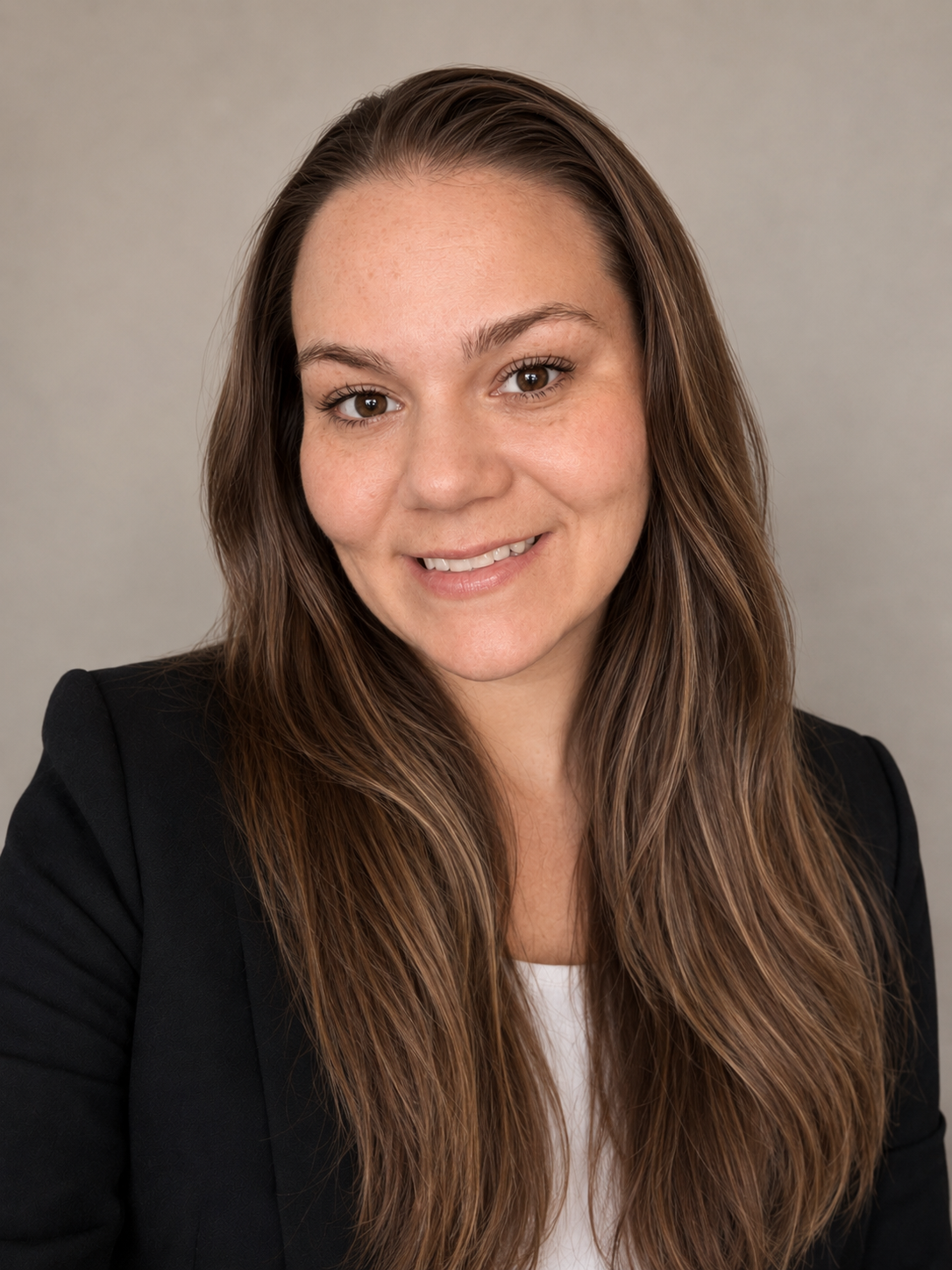
Meghan has been in healthcare since 2001 and has developed a passion for mental health nursing. Now working toward her BSN and hoping to one day earn her doctorate, she's driven by a love of giving back to her community.
LPN · VLSBN Student · Olympic College
Diana Torres, LPN
Drawn to pediatric nursing from the start, Diana has been in healthcare since 2012. She's currently pursuing her BSN and finds her greatest joy in serving her community and caring for the kids and families she meets along the way.
Community Partners & Stakeholders
With Gratitude
This project was shaped by the generosity, guidance, and partnership of many individuals and organizations across Port Orchard and Kitsap County. We are deeply grateful to each of them.
A note on these acknowledgments: The individuals and organizations listed below may or may not endorse this site or its content. They were generously consulted during the data review phase of this project and offered guidance that helped shape our work. We share their names here purely to recognize and thank them for their time and insight.
🎓
Faculty Supervisor · Olympic College
Professor Tamara Dykstra, MSN, BSN, RN, CNE
For overseeing our project from start to finish and guiding us through the process with wisdom and support. This project would not have taken shape without her direction.
🩺
School Nurse · Marcus Whitman Middle School
Lindsey Dahl, BSN
For her incredible guidance and patience as we worked through multiple project strategies. Her clinical perspective and steady support were invaluable throughout this process.
🤝
School Counselor · Marcus Whitman Middle School
Mallory Eccleston
For her time, encouragement, and belief in our project goals. Her feedback and support helped shape the direction of our work in meaningful ways.
🏫
School Community Partner
Marcus Whitman Middle School
To all the members of Marcus Whitman Middle School — thank you for opening your doors to us and welcoming us into your community during our time on campus.
🏛️
Superintendent · South Kitsap School District
Tim Winter
For sharing insight into the strengths and needs of the school district and offering a broader perspective on Port Orchard as a whole, which helped us better understand the community we were serving.
🚒
Community Partner
South Kitsap Fire & Rescue
For their support throughout our project and their dedication to serving the Port Orchard community through prevention education and in support of mental health.
💻
Technology Partner
Joshua Tibbetts · Ascent AI Automation
For his help building this website and making our resources accessible to educators and students everywhere. His technical partnership made the open-access vision of this project possible.
⛪
Community Partner
New Life Church
For their openness and willingness to explore a partnership with our team. Although our project goals ultimately shifted in a different direction, we are grateful for their time and community spirit.
🌿
Community Voices · Port Orchard
Josephine Mercantile, Kitsap County Library & Port Orchard Community
To Josephine Mercantile, the Kitsap County Library, and the many other local businesses and community members who took the time to speak with us as we gathered qualitative data on the needs of the Port Orchard community — thank you for sharing your perspectives and helping us better understand the people this project is meant to serve.
A Note of Gratitude
Special thanks to the students who participated in our teaching sessions and spoke with us openly as we spent time in the school developing this project. Your willingness to engage, share, and connect with us made this work real. You are the heart of this project — and the reason it will keep going after we leave.
📖 Evidence-Based Practice
References
All coping strategies featured in this project are grounded in peer-reviewed research.
Note for educators and researchers: These references support the evidence base for box breathing, guided imagery, grounding, and peer education models in school settings, and are drawn directly from the lesson plans created for this project.
Box Breathing / Breathwork
Balban, M. Y., Neri, E., Kogon, M. M., Weed, L., Nouriani, B., Jo, B., Holl, G., Zeitzer, J. M., Spiegel, D., & Huberman, A. D. (2023). Brief structured respiration practices enhance mood and reduce physiological arousal. Cell Reports Medicine, 4(1), 100895.
Bentley, T. G. K., D’Andrea-Penna, G., Rakic, M., Arce, N., LaFaille, M., Berman, R., Cooley, K., & Sprimont, P. (2023). Breathing practices for stress and anxiety reduction: Conceptual framework of implementation guidelines based on a systematic review of the published literature. Brain Sciences, 13(12), 1612.
Stefanelli, K. J. (2025). Meditation and guided imagery show reduction in chronic stress and increase in mental health-related quality of life for college students. Journal of American College Health, 73(10), 382–390.
Zemla, K., Sedek, G., Wróbel, K., Postepski, F., & Wójcik, G. M. (2023). Investigating the impact of guided imagery on stress, brain functions, and attention: A randomized trial. Sensors, 23(13), Article 6210.
Adams, K. S., & Branscome, J. M. (2020). Emotion dysregulation and anxiety in students: Mindfulness strategies for school counselors. Georgia School Counselors Association.
Aulia, N., & Rusman, A. A. (2025). Reducing social anxiety in adolescents: The efficacy of group counseling with grounding techniques. Journal of Social Work and Science Education, 6(3), 1168–1183.
Bates, S. M., Anderson-Butcher, D., Wolfe, T., Ondrus, C., Delaney, S., Marschhausen, J., McAulay, O., & Klakos, K. (2024). Grow your own school mental health specialists: A policy pilot to address behavioral health workforce shortages in schools. Behavioral Sciences, 14(9), Article 813.
Le, H.-G., Sok, S., & Heng, K. (2024). The benefits of peer mentoring in higher education: Findings from a systematic review. Journal of Learning Development in Higher Education, 31.
Pointon-Haas, J., Waqar, L., Upsher, R., Foster, J., Byrom, N., & Oates, J. (2023). A systematic review of peer support interventions for student mental health and well-being in higher education. BJPsych Open, 10, Article e12.
Brill, K., McGuinness, C., & Nordstokke, D. (2025). Relations between a social emotional learning (SEL) program and changes in resilience, self-esteem, and psychological flourishing in a youth sample. Discover Mental Health, 5, Article 43.
Collaborative for Academic, Social, and Emotional Learning. (2026). CASEL framework. Retrieved May 22, 2026, from https://casel.org/fundamentals-of-sel/what-is-the-casel-framework/
National Governors Association Center for Best Practices, & Council of Chief State School Officers. (2026). Common core state standards for English language arts & literacy in history/social studies, science, and technical subjects.